सहारा


जब अपने ही लोग पराये हो जाएँ
तो ये मत समझो कोई नहीं है तुम्हारा
तुम्हारा सुरक्षाकवच छल ले कोई
तो ये मत समझो कहीं नहीं है सहारा

मीलों तक फैले रास्ते कितने हैं जिनको
बसेरा कहीं नहीं मिला आओ देखो
ये सभी तुम्हारी तरह ही हैं सूर्यपुत्र
सूतपुत्र और बेबस महिलाओं के बच्चे

तपती धरती ने इनको पाला है संभाला है
सूरज की किरणों ने चलना सिखाया है
जीवन से मरने तक जलते ही रहना
हलाहल इस सृष्टि ने ऐसा पिलाया है

ऐसा नहीं है ये जानते नहीं हैं
अपने पराये में फर्क करते नहीं हैं
ये आना और जाना इन्हें सब पता है
सदियों से चलती आई कथा है

तुम आओ सही और अपने को जानो
आग़ोश में इनके मिलता सहारा
जब धरती फटेगी फिर बादल छँटेगा
कहाँ होगा ये हमारा तुम्हारा

***
सड़क पर आओ तो सही फेंक दो सभी
सहारे जो बांधते हैं तुम्हें तुम्हें आश्रित
करते हैं छीनते हैं तुमको तुमसे तुममें
सूर्य है भस्म करता नवजीवन दान देता

प्रेस क्लब में


क्या हो गया है इन चेहरों को जो
भिज्ञता और संयम के प्रतीक थे
कि उनके सामने फटकना
मुश्किल था आज वे ऐसे क्यों हो गए

हर बात पर तुनकते जैसे
लगता है कि इनकी आवाज़
दब रही है भीड़ में स्वयं को
देख कर घबरा से गए हैं

अपने आप को खोते उसमें जहाँ
कोई नहीं है पहचानने वाला
भीड़ है सतत एक होती
फिर बिखरती मारती मरती

बस क्या हुआ क्या हो रहा है
क्या होने वाला है यही चर्चा
कोई नहीं जानता क्यों हो रहा
सारा तर्क वितर्क खो रहा है

कैसा ये न्याय न्यास


हे इंद्रदेव, हे मेघराज
तुम देवों के राजाधिराज
राक्षस समाज ने अमृत मथ
वचनानुकूल बाँटा तुमसे

पर कैसा ये न्याय न्यास
सत्ता की कैसी अंध प्यास
तुम देवों की कमज़ोर शक्ति
उतनी ही तेज़ चतुर भक्ति

तुम पर आसक्त विष्णु प्रधान
राक्षस गण थे बिल्कुल अजान
दे दिया मोहिनी को अमृत धन
हुए तभी वे पातालवासिनः

महाबली गौरव विराट
त्रिलोक जीत बन गए सम्राट
तुम अमरदेव साष्टांग किए
भगवन के चरणों में गिरते

फिर हुए अवतरित लघु वामन
और सत्यभक्त का हुआ परीक्षण
त्रिलोक लाँघ कर किया प्रतिष्ठित
देवों को निष्कासित सज्जन

(ओणम, २०१९)

ग्राफ


ये ग्राफ अब नीचे की तरफ मुँह बाये सरपट दौड़ रहा है
क्या क्या संकुचित होगा नष्ट होगा इतिहास से हम जानते हैं

मगर इतिहास ये नहीं तय करता कि हम क्या करेंगे
ये हमें ही बताना होगा कि इतिहास से हमने क्या सीखा

क्या हम वो गलतियाँ दोहराएँगे और इतिहास एक बार
फिर सेअपने रास्ते चलेगा इसी मोड़ पर पहुँचने के लिए

रेखाओं का खेल


लक्ष्मण बारबार रेखाएँ खींचता है मगर सीता
लांघ देती है उन रेखाओं को नए के अनुराग में
राम का रोष नई चढ़ाइयाँ चढ़ता है सीता के लिए
और सीता को बारबार अग्निपरीक्षा देनी होती है
साबित करनी होती है अपनी पवित्रता कि आज भी
है व्रता वो राम के स्वामित्व की कदमों की दासी

क्या गुदगुदी होती है पृथ्वी को जब जमीन पर
रेखाएँ बनाते हैं ये लोग और मिटाते हैं कुछ और
हँसी तो ज़रूर आती होगी इस खेल को देख कर
आसमान भी कहता होगा ये कौन सा खेल खेलते हैं
सदियों से कितनी बार रेखाएं बदलीं और खून से
सनी मिट्टी क्या मज़ा इस खेल में आता है इनको

सत्ता के घोड़े – एक कविता


ज्ञान मानचित्र की रेखाओं को नहीं मानता
न वे उसको बांध सकते हैं
इसीलिए तो वे ज्ञान की बात नहीं करते
यान की बात करते हैं

तुम सत्ता के घोड़े हो
तुम पर लद के नई ऊँचाइयाँ चढ़ेगी वो
मिलने जाएगी चंद्रमा की बुढ़िया से
जीतने जाएगी राहु को
कहीं ग्रहण न लगा दे उसके भविष्य को
आखिर भगवान को भी माननी पड़ी उसकी शक्ति
अलग करना पड़ा उसके सिर को उसके धड़ से
मस्तिष्क को शारीरिक बल से
कहीं उखाड़ न दे देवताओं का वैभव जड़ से

भगवान को भी मानना पड़ा अमरत्व उसका
जिसने छल लिया था छलिया को
उसको जिसने छल से परिश्रमी राक्षसों के
परिश्रम को पिला दिया देवों को
जो हमेशा हारते रहे मैदानों में
भागते रहे सत्ता के वीरानों में

तभी तो डरते हैं
राहु को केतु से मिलने नहीं देते
सत्ता इसी अलगाव को ही कहते हैं

सत्ता ने तुम्हें अदना बना दिया है
तुम्हारी उड़ान को लगाम पहना दिया है
अब तुम जहाँ भी जाओगे सत्ता तुम पर लदी होगी
मिमियाते तुम खड़े होगे
सारी गलतियाँ तुम्हारे सिर होगी
और जीत उसकी
उसकी थपथपाहट तुम्हारा पारिश्रमिक
उसका पुचकारना तुम्हारा ईनाम

देश देख रहा था उस दिन
और तुम सुन रहे थे उसके मन की बात
स्कूली बच्चों की तरह
तुम्हें सिखा रही थी सत्ता
बता रही थी मतलब तुम्हें तुम्हारा
और उसकी चढ़ाइयों का

और तुम इतराते
सत्ता को अपने करीब पाते

Brecht on “the Concept of Class”


8 Jan 42

the concept of class too, perhaps because it has come down to us as it was framed in the last century, is used much too mechanically today. there is nothing to be derived from a purely statistical concept of a german working class nowadays; yet such a concept is deep-seated. trade-unions and political parties are accustomed to count members. the political concept is devalued too, since it presupposes organisations and ‘democratic forms of state’, a ‘free interplay of forces’ which can be steered by the ruling class. the closure of the labour market in the interests of the war economy has damaged the term ‘class’ as an economic concept. what remains is the class itself. it, happily, is not just a concept.

the fact that wars cannot be waged without the proletariat (as the productive force) does not mean that a war which is disagreeable to the proletariat cannot be waged. a revolutionary situation only comes into being when eg it takes the individual initiative of the proletariat to fight a war that the proletariat favours, or when a lost war can only be liquidated by the proletariat. etc etc.

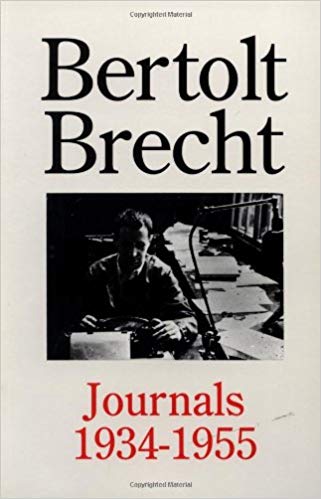
In this entry from his Journals 1934-1955, Brecht captures the complexity of the class question. The “coming down” of this concept as “framed” in a particular phase in history leads to its devaluation in another phase in history. The statistical, political and economic conceptions were all devalued in the phase of the war economy, but what remained was the class itself, which “happily, is not just a concept.” In this note, he implicitly advances the need for the movement of concept to capture the reality of class.

In the second para, he brings out the reality of the proletariat of which Marx and Engels talked about in their Communist Manifesto – of the dialectic of class formation. Marx and Engels achieved this by critiquing the political economic logic of competition and cooperation as foundational to the formation of classes and class struggle in capitalism. They showed how the negation of classification is immanent in the process of classification. This dialectic recurs in Brecht’s writings at numerous occasions. As an example, we can cite one of his most used and abused poem, General, den Tank, or even his War Primer. In fact, that is why montage is central to his creative writings which captures the dynamics of internal relations that constitute the real, thus reclaiming “the genuine reality [that] has slipped into the functional”. The problem of the proletariat as the “productive force”, as a reification that constitutes capital, as being complicit in wars does not do away with the proletarian initiative. In fact, it is this initiative or art that interrupts the normal exposing what has been functionalised, thus generating “a revolutionary situation.”

This note can be posed as an answer to the dominance of the analytical tradition within the progressive (including the Marxist) circle in our times, which can be broadly divided into two complementary sections. On the one hand, there are those who immediately deploy the analytical concepts trying to straitjacket the concrete to suit those concepts, while on the other, there are those who in reaction stoop down to radical empiricism proclaiming the death of the grand narrative (including class), worshipping relativism. The poverty of both these sections is their tendency to reduce concepts to mere descriptive categories. It is in this regard that we can combine them under the identity of (post) structuralism.

In the above note, what Brecht achieves philosophically is an articulation of the distinction, yet necessary and problematic relationship between the real and the conceptual – “the class itself” and “the concept of class”.

हम इतिहास के निरंतर निषेध


जनाजर का ज्वर अचानक
ज्वार बनकर फूटता
हर सदी इतिहास की
दीवार है जो टूटती

मैं गिरा हूँ मत उठाओ
मैं खुद उठूँगा और चला जाऊँगा
अपनी दयाभरी आँखों से मत देखो
वे रोकती हैं मुझे मैं होने से
मुझे अपनी तरह उठने और चलने से
ऐसा क्या है क्या तुम कभी गिरे नहीं
गिर कर उठे नहीं उठ कर चले नहीं
तमाशा मत बनाओ मेरे गिरने का
कि ऐसा ही मैं रह जाऊँ
सभी मुझे मेरे मैं से छीनते
हमेशा के लिए मैं दया का पात्र बन जाऊँ

मुझे अपनी लड़ाई खुद लड़ने दो
और तुम क्यों दोगे मैं लड़ूंगा
और लड़ता भी हूँ
तुम अपनी लड़ाई लड़ो
तभी यह हमारी लड़ाई होगी
तब नहीं जब तुम हमारे लिए लड़ते
शहीदों के लिस्ट में तुम्हारा नाम
दूसरों के लिए मर गए तुम कितने महान
और हम हमारी औकात ही क्या
अपनी रोज़ की लड़ाई के नीचे दब गए
उठ न पाए हम बेचारे
रह गए सड़क के किनारे

और तुम पथप्रदर्शक अधिनायक
हम जन तुम जननायक
हम भेड़ तुम गड़ेरिया
हम गायें तुम कन्हैया
लो हुए हम नाव अब तुम खेवैया
खेते खेते बन गए तुम जनक
तो हम हुए जनित तुम्हारे हल की नोंक से
सीता तुम राम
हम सुदामा तुम घनश्याम
हम द्रौपदी
हमारी लाज हो तुम
तुम आसमान में सूर्य
हम तुम्हारी असंख्य किरणें
हम माया हैं तुम्हारी छाया हैं
तुम्हारी विविधताओं के प्रदर्शन हेतु
परिपेक्ष हैं
स्थूल हैं
तुम्हारे चरणों की धूल हैं
फूल हैं

इतिहास में तुम्हारा ही नाम रहेगा
हम अगणित अदृश्य
चाहे कह दो इतिहास हमारा
जिसके नायक तुम्हीं हो
तुम्हीं रहोगे

परंतु तुम जड़ हममें जड़ित
सारी उपमाएँ हमसे फलित
इतिहास गाते रहो डुगडुगी बजाते रहो
इतिहास की गौरव गाथा तुम्हारे लिए है
इंसान का गौरव इसी में है
कि हम सारे गर्व को मिटाते रहे हैं
इतिहास हमें नही हमें आज चाहिए
हमें सुराज नहीं
हमें सु-अराज, स्वराज चाहिए
न राज्य न आसीन राजा
न दंड न कोई दांडिक
हम आदि अंकुर सतयुग से
इतिहास के निरंतर निषेध हैं

On the generalisation of reactionary politics


1. When we talk about reactionary politics, it is always in contrast to “progressive” politics. So this is about a contest, a competition, where purportedly progressive energy within the system can be mobilised to tame reaction. Evidently, this duel is a sort of Newtonian mechanics of action and reaction, which stabilises the system, the machine. Till recently, the contrast between these two poles of politics was stark and a distinct progressivist political programme could really be charted out.

2. However, in recent times, the machinic and intrinsic fatalism of state and polity, about which Marxists have always talked, but very few of them have been able to make this critique a consistent ground of their politics and analysis, has gripped the societal energy into the mire of barbaric inertia. No political breakthrough is visible on the horizon. Hence, it is time when we must stop talking about reactionary politics, and start talking about reaction as the general condition of politics – about the reactionary political structure or reactionary polity. The digits in which the “contest” is taking place are themselves reactionary. Reaction which was the result has become the means of politics. Reactionary polity with its discourse of reactivity is what binds left, right and centre together to (re)form itself. We are simply responding to the systemic machinery. The machinic system has realised itself in its fullness – this constitutes the polity itself.

3. The Asimovian utopia or rather dystopia has been realised – humanics and robotics have been integrated. Our general intellect alienated from us has gained a full life-form and we have been robotised.

“As soon as humanity in the abstract is introduced, the Laws of Robotics begin to merge with the Laws of Humanics.”

“Since emotions are few and reasons are many, the behavior of a crowd can be more easily predicted than the behavior of one person can.”

The machine has reduced us to a mere crowd with a few emotions, hence predictable and manageable. Our innumerable grievances are summarised into a set of emotive reactions.

(To be continued)

Media, gossip and rumours


Inspector Montalbano has a communist friend, Niccolo Zito, who helps him reveal the levels of determinations behind a death by disrupting its unproblematic nature with his discussions about its circumstances. His interventions are highly intellectual. In the very first novel in this series, The Shape of Water, Zito, who is a critical media man, provides a very pertinent lesson on the function of media, and the disruptive role of rumours. This is particularly crucial for our age when media led by social media has become a technology to morph a news into a gossip. Here, we must underline the hush-hush nature of rumours, which is very different from the chirpiness of gossip, that we find in social media and the internet world.

“The quickest way to make people forget a scandal is to talk about it as much as possible, on television, in the papers, and so on. Over and over you flog the same dead horse, and pretty soon people start getting fed up. “They’re really dragging this out!” they say. “Haven’t we had enough?” After a couple of weeks the saturation effect is such that nobody wants to hear another word about that scandal…. If on the other hand, you hush everything up, the silence itself starts to talk, rumours begin to multiply out of control until you can’t stop them any more.(114-115)